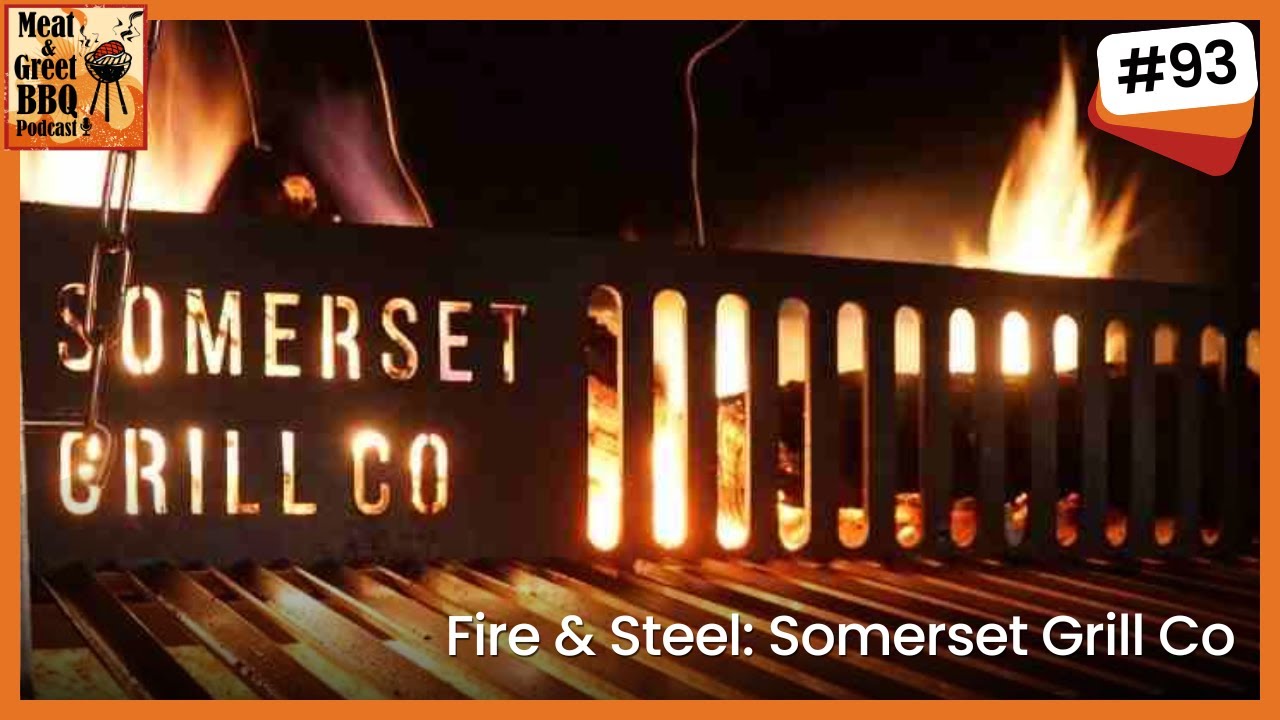
Wood-fired cooking blends craft, control, and a dose of theatre that keeps people outside long after the sun drops. This episode explores how Somerset Grill Co turned a spark of inspiration into a British-built Argentinian-style grill, engineered for reliability and joy. Ben explains how the first prototype came together in a shipping container, how fifteen-plus iterations led to the current design, and why “unquestionable quality” is the guiding rule when metal meets flame. The takeaway is simple: if you want a grill that thrives on real fire, it must be built to take punishment, retain heat smartly, and make cooking feel hands-on rather than hands-off. That approach shapes everything from materials and tolerances to accessories and ergonomics.
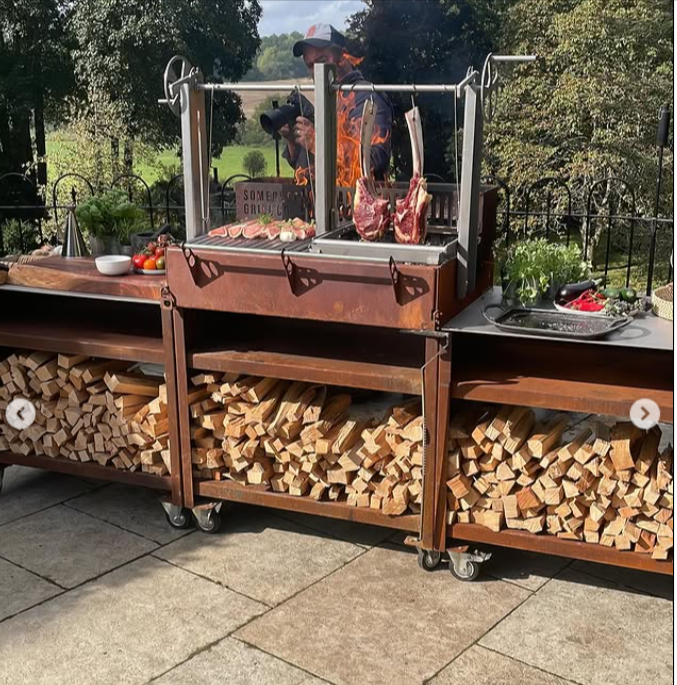
Open fire cooking isn’t a set-and-forget ritual. It’s interactive and responsive, where cooks move embers, raise and lower grates, and make micro-adjustments by feel. Ben contrasts this with lidded barbecue culture where you leave meat alone for hours and hope the plan holds. With a proper ember maker, consistent fuel feed, and height control, live fire becomes a two-to-three-hour experience that rewards presence. You can sear steak hard, hang joints for slow roasting, or rest food over a gentle ember bed. The pleasure is practical: meals finish within an evening rather than after an all-day vigil, and the grip you have on heat turns fear into curiosity. That’s why the grills are designed to look and feel substantial, transforming a back garden into a space you want to share.
Accessories expand that canvas. A rotisserie adds show-stopping movement and even cooking; an ember grill creates an agile hot zone for blackening veg for salsas or gently holding protein at the perfect rest. A simple tapa can trap warmth on a cold day and swirl a light, Scandinavian-style smoke around chicken or pork. Ben’s favourite cooks showcase how these elements work together: flank-cut short ribs kissed fast and sliced with chimichurri; porchetta dry-brined overnight, dabbed dry during the spin, then dropped low for explosive crackling. He also outlines useful workflows—like charring pineapple directly in embers for caramelised intensity—and discusses where open fire differs from heavy American smoke. The result edges more toward roast-like textures with clean wood character rather than dense smoke rings.
Festive cooking brings out the best of live fire. Ribs of beef turning slowly while you baste with butter. Gammon simmered in cola before picking up wood aroma and a honeyed glaze. Turkey crowns for better control, with sides rendered in cast iron so sprouts soak in bacon fat and wood heat. Leftovers become strategy, not accident: brisket chilled then rewarmed in stock for deeper smoke and a richer gravy base; short ribs chopped into an eight-hour chilli for layered flavour; chicken skin re-crisped in a pan until it snaps like a garnish. The conversation also leans into real talk about failure—seasoning mix mix-ups, underfuelled fires, and one tragic duck tainted by cleaner on the carving board. The lesson is to laugh, learn, and keep cooking.
Somerset Grill Co’s move into portability with the Asado Go shows how design must change as size shrinks. Without fire bricks, it cools fast for the beach; reinforced folds and braces maintain rigidity; and charcoal-first workflows get you cooking in under half an hour. While space limits some accessories, the essence remains: a compact, controllable ember platform that delivers flavour and fun. Around that, a fuller outdoor setup mixes ceramics for low-and-slow, pizza ovens for speed, and flat tops for weeknight ease. Yet even with all the toys, live fire holds the spotlight because it keeps everyone engaged. It looks dramatic, tastes elemental, and invites experimentation—from quail to short ribs to curry skewers carved into simmering sauce. That blend of engineering and play is what keeps people outdoors, and what Somerset Grill Co aims to make effortless year after year.
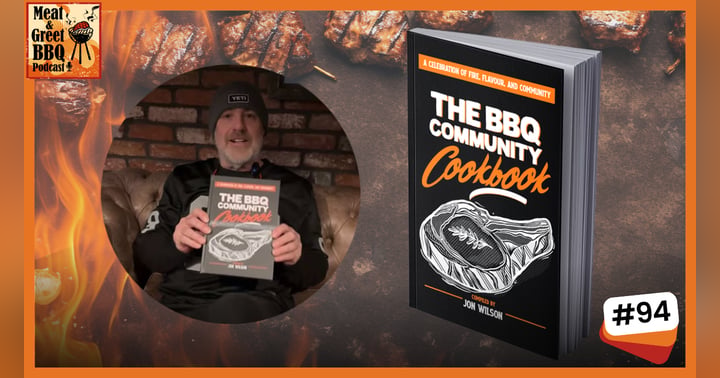
The Barbecue Cookbook That Started with a Father's Memory