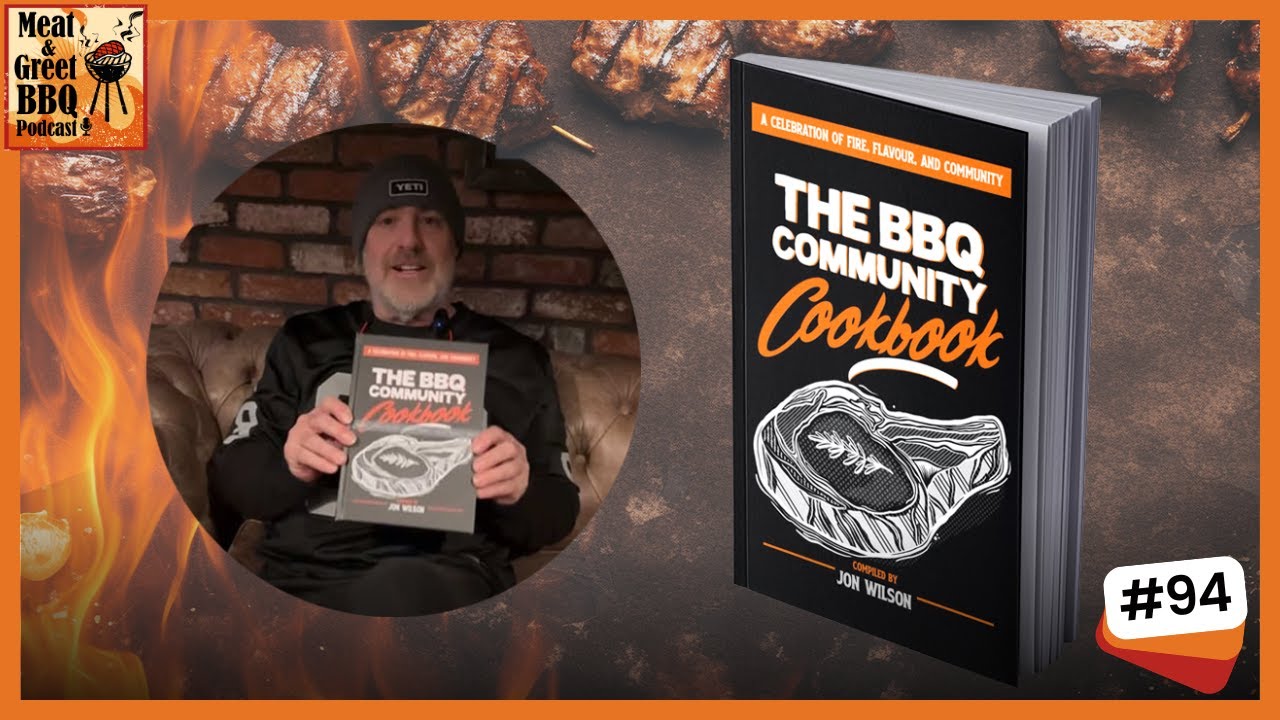
The heart of this conversation is a promise kept. John Wilson set out to build a barbecue community cookbook to honour his father and raise funds for cancer and mental health charities, and the journey proved far tougher than the idea. Paper prices soared post‑pandemic, pushing printing from a manageable sum to a five‑figure cliff. Self‑publishing was the only way forward, yet John came from construction, not editing. He gathered recipes from across the community, only to discover the hidden work of uniform formatting, duplicate dishes and structuring a book readers can use. That is where perseverance met resourcefulness: he learned layout, indexing and file prep, and he stuck to his early promise to include every contributor, even if that meant multiple mac and cheeses.
A pivotal turn arrived when he tested AI to standardise recipe formatting for Amazon’s KDP. It did not write the book; it unlocked a workflow. By pasting in raw recipes and asking for a consistent KDP‑ready layout, John created a template he could apply again and again. The hard part remained human: proofreading, checking measurements, aligning fonts, and catching the kind of index drift that only shows up on paper. Proof copies exposed mismatched font sizes and a page‑off index that required days of line‑by‑line corrections. The emotional swing from despondent to determined is familiar to anyone who has shipped a creative project. Pressing publish set in motion 72 hours of doubt, then an outpouring of support as the book landed in hands and kitchens.
Charity intent added both meaning and constraints. He learned that naming charities and using logos requires strict permissions, and wording claims about proceeds must be precise. The goal stayed clear: raise money for Macmillan Cancer Support and YoungMinds while giving everyday pitmasters a chance to see their recipe in print. The most powerful feedback came not from sales but from stories, like the child who presented his recipe at school and earned recognition. That moment captured why the project resonates: it turns home cooking into shared pride. Meanwhile, Amazon rankings provided a public signal that the community’s effort belonged alongside big names. Even with slim KDP margins, the visibility and access mattered.
Looking ahead, John is channelling momentum into a second volume with a global brief. The plan is disciplined: themed regional chapters, pre‑selected dishes to avoid duplication, and timed release of sign‑up lists so cooks can claim a slot and add their twist. By curating across regions—Mediterranean, East Asia, the Americas—he invites people to stretch beyond brisket and pulled pork into techniques and flavours they might not try without a prompt. A “Live Fire Legends” chapter will showcase established voices to sit beside community talent, raising both the bar and the platform. Lessons from volume one shape the craft: cleaner layout, refined indexing, and a more professional feel without losing the book’s approachable charm.
The community spine remains strong offline too. Events at venues like Alfresco Chapel sold out in hours, with profits going to the charities. Festival demos and open days keep recipes alive beyond the page and let John cook dishes submitted by others, returning the spotlight to contributors. Even the lighter moments—like spinning a wheel to pick a recipe to cook—reinforce the playful, participatory ethos that made the first book work. Strategy matters as well: launch calls for submissions before peak barbecue season so cooks can commit, test and photograph while the grills run hot. It is a simple, smart cadence that meets the community where it cooks.
What this story proves is that a cookbook can be more than a list of ingredients and steps. It can be a vehicle for grief turned to action, for skills learned under pressure, and for shared ownership in a scene that often watches from the sidelines. By opening the door to contributors who may never land a traditional publishing deal, John built something useful and human. The recipes feed people, the process grows confidence, and the proceeds help causes that touch many. Volume one is a template; volume two is an invitation. If you can season, tend a flame and tell a clear method, you can leave a mark that lasts longer than a cookout. That is the kind of barbecue story worth passing on.
Best BBQ Podcasts for Beginners: Start Your Grilling Journey with Meat & Greet